


KEY TAKEAWAYS
- Meta has initiated a judicial review challenging Ofcom’s definition of “Qualifying Worldwide Revenue,” the metric used to set both fees and potential penalties under the Online Safety Act.
- The Online Safety Act allows Ofcom to fine companies up to 10% of their qualifying worldwide revenue for breaches, with fees also calculated on the same basis.
- Ofcom intends to issue the first fee invoices to platform providers in September 2026, most likely Q3, and could face refunds if Meta’s challenge succeeds.
- Meta’s spokesperson stated fees and penalties “should be based on the services being regulated in the countries they’re being regulated in.”
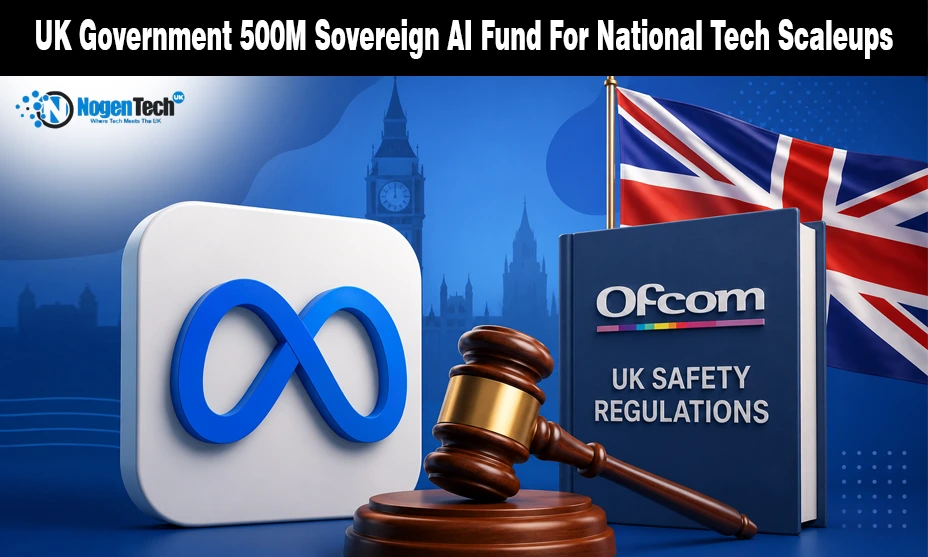
On 7 May 2026, Meta Platforms launched a judicial review against Ofcom at the High Court in London, challenging the British media regulator’s methodology for calculating fees and penalties under the Online Safety Act.
This landmark 2023 legislation imposes some of the strictest content moderation obligations for social media platforms operating in the UK. Ofcom said its interpretation is based on a “plain reading” of the law, arguing that the legislation applies to “Qualifying Worldwide Revenue”.
This legal confrontation further strains US-UK relations as the White House threatens retaliatory tariffs in response to the ongoing Digital Services Tax dispute.
The Revenue Definition at the Heart of the Dispute
The legal argument turns on a single phrase in the Online Safety Act: “Qualifying Worldwide Revenue.”
As Firstpost confirmed, Ofcom interprets this as a platform’s total global revenue linked to its regulated services. For Meta, this definition covers the entire worldwide income generated by Facebook, Instagram, and WhatsApp.
Meta frames this interpretation as disproportionate. A Meta spokesperson told Reuters: “We and others in the tech industry believe Ofcom’s decisions on the methodology to calculate fees and potential fines are disproportionate.
We believe fees and penalties should be based on the services being regulated in the countries they’re being regulated in.”
The spokesperson added that even calculated on a UK-only basis, Ofcom would still have the power to impose what it described as “the largest fines in UK corporate history.”
What the Stakes Are and When Ofcom Plans to Invoice
The financial stakes are substantial on both sides.
As CNA notes, the Online Safety Act permits Ofcom to levy fines of up to 10% of qualifying worldwide revenue for serious or repeated breaches. This is a figure that, applied to Meta’s global income, would run into billions of pounds for a single enforcement action.
Ofcom’s lawyer Javan Herberg told the High Court that the regulator intends to issue the first fee invoices to providers in September 2026, and confirmed that if Meta’s challenge succeeds, Ofcom may be required to issue refunds.
Ofcom said it would “robustly defend” its reasoning. Meta’s challenge follows wider industry objections to Ofcom’s fee framework. Google and other platforms previously argued during consultation that global revenue figures do not fairly reflect the cost of UK-specific operations.
This tension pushes Whitehall toward closer UK-EU ties to counter Silicon Valley dominance. These shifting alliances are highlighted by talks to grant British startups access to the €5 billion Scaleup Europe Fund, fostering a more competitive regional tech ecosystem.
The Broader Regulatory Picture This Challenge Sits Within
Meta’s judicial review is one of several concurrent legal and regulatory confrontations between US technology firms and British authorities in 2026, such as the £2 billion Microsoft cloud licensing trial.
Ofcom is currently enforcing the Online Safety Act, investigating how algorithms promote content, and preparing its new Transparency, Accountability, and Inclusion rules for the largest platforms.
The UK Government’s Sovereign AI lunch and digital strategy views robust regulation as essential for economic competitiveness. This stance places Whitehall and Silicon Valley on a direct collision course, a conflict now formalised by Meta’s High Court filing.
Whether the challenge succeeds or fails, the outcome will set the financial template for every major platform operating in the UK under the Online Safety Act for years to come.
Source: Meta challenges UK media regulator over online safety fees
