


KEY TAKEAWAYS
- NatWest Q1 operating profit before tax rose to £2 billion, up from £1.8 billion a year ago, beating consensus analyst expectations.
- Total credit impairment charges more than doubled year-on-year from £136 million to £283 million, of which £140 million is directly attributed to the Iran conflict’s economic impact.
- The bank cut its UK GDP growth forecast for 2026 to 0.4 per cent, and raised its unemployment forecast to 5.5 per cent.
- NatWest upgraded its full-year income guidance to the top end of its previously guided £17.2 billion to £17.6 billion range, despite the gloomy macroeconomic revision.
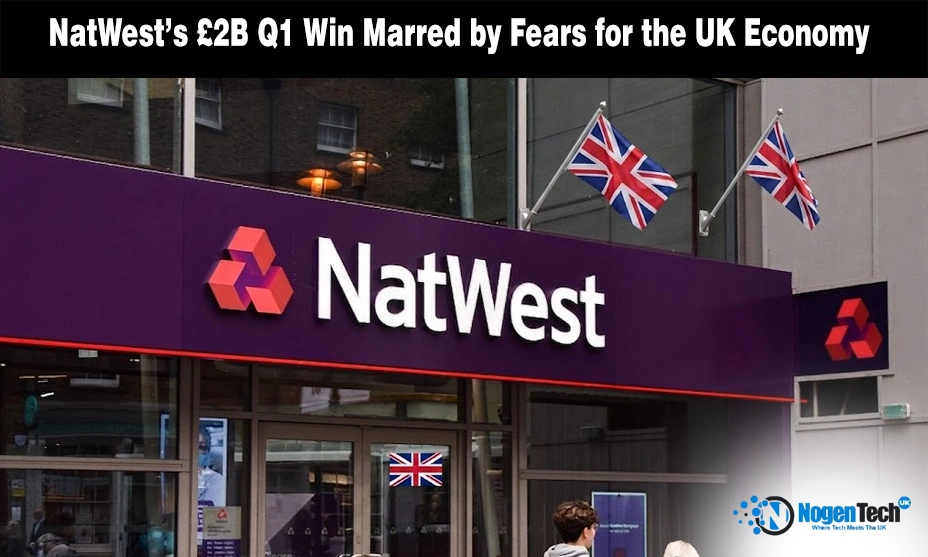
On 1 May 2026, NatWest Group reported a 12 per cent rise in first-quarter operating profit, reaching £2 billion. This pre-tax result exceeded the £1.9 billion analyst forecast and the previous year’s £1.8 billion.
Performance was bolstered by increased lending income, an expanding mortgage book, and £100 million in cost savings via restructuring and artificial intelligence.
Despite upgrading full-year income guidance toward £17.6 billion, shares in the group, comprising Royal Bank of Scotland and Coutts, fell over 4 per cent.
Investors prioritized underlying metrics over headline beats to gauge long-term resilience, a UK trend for business where institutions navigate geopolitical risk and digital transformation.
The £140 Million Iran War Provision and What It Signals
NatWest Group recorded a total credit impairment charge of £283 million in the first quarter, more than doubling the £136 million reported in Q1 2025, as confirmed by The Guardian.
Within this figure, a £140 million provision was directly linked to revised economic forecasts, reflecting the impact of the ongoing Middle East conflict on energy prices, inflation, and UK consumer confidence.
These charges follow post-2008 accounting rules requiring banks to recognise expected loan losses before defaults actually materialise.
Similar measures were taken by Lloyds Banking Group and Deutsche Bank earlier this week. While Yahoo Finance noted this charge is smaller than the £823 million set aside by Barclays, it reinforces that major UK lenders view Middle Eastern disruption as a persistent risk.
Consequently, NatWest’s new venture banking unit, launched with AWS earlier this year, now operates within a significantly more pressured macroeconomic landscape than originally anticipated.
Revised Forecasts: Growth, Unemployment, and House Prices
NatWest’s internal economic team delivered a significant downgrade alongside the earnings.
As Morningstar confirmed, the bank now expects UK GDP growth of just around 0.4 per cent in 2026, down from its previous estimate of roughly 1 per cent and well below the International Monetary Fund’s projections.
Unemployment is forecast to rise from the current figure of around 4.9 per cent to a peak above 5.5 per cent. Inflation is expected to reach over 3.5 per cent in the base scenario, primarily driven by Middle East oil market volatility.
Additionally, house price growth has been revised to a mere 0.7 per cent for 2026, with a 1.8 per cent decline expected in 2027. While markets anticipate rate rises, NatWest expects the Bank of England’s base rate to hold at 3.75 per cent.
These forecasts directly threaten the UK Government’s £500 million Sovereign AI Fund, as its success relies on a private sector confident enough to deploy capital.
Guidance Upgrade That Could Not Save the Share Price
For a bank operating within the current US tariff pressure on UK financial services and Middle East energy disruption simultaneously, a 12 per cent profit rise is a creditable result that markets are treating as insufficient reassurance about what comes next.
Despite the economic downgrades, NatWest CEO Paul Thwaite reaffirmed confidence in the bank’s operational trajectory.
As Reuters confirmed, Thwaite noted that while guidance remains achievable, the bank must refine forecasts as uncertain market conditions evolve.
Strong growth was evident as customer deposits rose £3.1 billion to over £444.8 billion, and total lending grew £7.3 billion. Notably, 23,000 new investment accounts opened this quarter, nearly half of 2025’s entire total.
However, upgrading income guidance toward £17.6 billion failed to soothe investors. Concern centred on non-interest income falling 7 per cent below analyst forecasts, which, alongside a darkened outlook, dragged shares down.
Operating amidst US tariff pressure and Middle East energy disruption, NatWest’s 12 per cent profit rise remains a creditable result, but markets see it as not enough reassurance for the volatile months ahead.
Source: NatWest faces £140m hit from Iran war as UK growth slows
