



Keeping your home safe is no longer just about strong locks and good lighting. In the UK, more homeowners are turning to home security cameras to protect their families, pets, and property, especially during the night. With advances in night vision, motion detection, and smart alerts, modern cameras now offer peace of mind around the clock.
In this in-depth UK-focused guide, we’ll walk through everything you need to know about choosing the best security cameras for home safety with night vision. We’ll talk honestly about features, real-life use, and which types work best for British homes, weather, and lifestyles.
Why Home Security Cameras Matter More Than Ever in the UK
Crime patterns in the UK have changed over the years. Opportunistic theft, package stealing, and vandalism often happen after dark. This is where home security cameras with night vision become essential.
A visible camera alone can deter intruders. But the real value comes from being able to clearly see what happens outside and inside your home — even in complete darkness. Whether you live in a city flat, a semi-detached wireless camera for house, or a countryside property, a reliable camera system adds an extra layer of protection.

Understanding Night Vision in Security Cameras
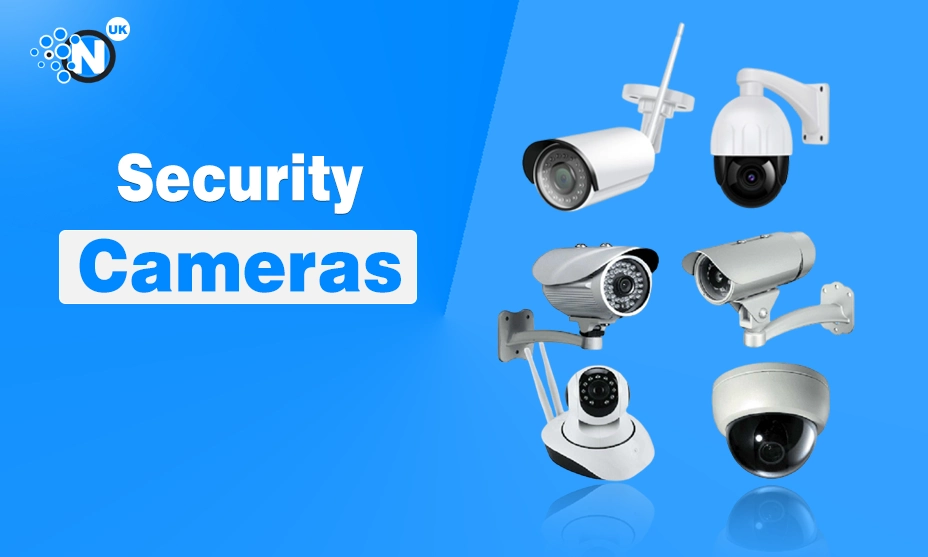
Night vision is one of the most important features when choosing cctv security cameras or modern smart systems. Not all night vision is the same, so it’s worth understanding the basics.
Infrared (IR) Night Vision
Most surveillance camera system setups use infrared LEDs. These allow the camera to see in black and white during low or zero light conditions. IR night vision is reliable, affordable, and works well for most UK homes.
Colour Night Vision
Some newer smart security cameras offer colour night vision using built-in spotlights or advanced sensors. This can help identify clothing colours, vehicles, and faces more clearly.
Night Vision Range
For UK homes, a night vision range of 8–15 metres is usually enough for gardens, driveways, and entrances. Larger properties may need cameras with longer range or multiple units.
Types of Home Security Cameras Explained
Choosing the right camera depends on where and how you plan to use it. Let’s break down the most common options.
Indoor Security Cameras
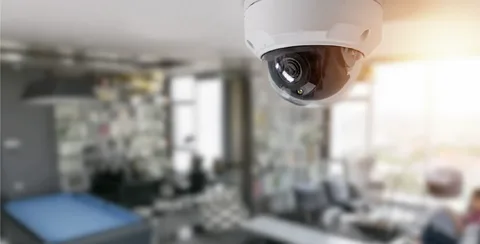
Indoor security cameras are perfect for monitoring living rooms, hallways, nurseries, or pets while you’re away. They are usually compact, easy to install, and designed for controlled environments.
Best for:
- Monitoring children or elderly family members
- Keeping an eye on pets
- Extra security when you’re on holiday
Outdoor Security Cameras
Outdoor security cameras are built to handle British weather — rain, wind, fog, and cold temperatures. They come with weatherproof housing and stronger night vision.
Best for:
- Front doors and porches
- Driveways and gardens
- Garages and side entrances
Wireless Home Security Cameras
Wireless security cameras are extremely popular in the UK due to their easy installation. They connect via Wi-Fi and often run on rechargeable batteries.
Pros:
- No complex wiring
- Ideal for renters
- Quick setup
Cons:
- Battery charging required
- Dependent on Wi-Fi strength
CCTV Security Cameras (Wired Systems)
Traditional cctv security cameras are still widely used, especially in larger homes. They connect to a central recorder and provide stable, uninterrupted footage.
Best for:
- Long-term recording
- Multi-camera setups
- Homes with existing wiring
Smart Security Cameras: The Modern Choice
Smart security cameras have changed how homeowners interact with their security systems. These cameras connect to your smartphone, allowing real-time alerts and live viewing.
Key smart features include:
- Motion alerts on your phone
- Two-way audio to speak to visitors
- Integration with smart home devices
- Cloud and local storage options
For many UK households, smart cameras strike the perfect balance between convenience and security.
Key Features to Look for in Night Vision Cameras
Before buying, make sure your chosen home security cameras include these essential features:
High-Resolution Video
Look for at least 1080p HD. Higher resolution means clearer night footage and easier identification.
Motion Detection
Advanced motion detection reduces false alerts caused by rain, pets, or passing cars — a common issue in UK neighbourhoods.
Field of View
A wider field of view covers more area with fewer cameras, saving money and setup time.
Audio Features
Two-way audio allows you to speak to delivery drivers or scare off intruders remotely.
Storage Options
Choose between cloud storage, local storage (SD cards), or a hybrid system depending on your privacy and budget preferences.
Indoor vs Outdoor Cameras: Which Do You Need?
Many homeowners ask whether they should choose indoor security cameras, outdoor security cameras, or both. The answer depends on your property layout and concerns.
- Flats and apartments often benefit from indoor cameras and a single outdoor camera at the entrance.
- Houses with gardens and driveways benefit most from a combination of indoor and outdoor coverage.
- Detached homes usually require a full surveillance camera system for complete protection.
Wired vs Wireless: What Works Best in the UK?
UK homes vary widely in age and construction, which affects camera choice.
Wireless Security Cameras
Ideal for:
- Renters
- New builds
- Quick DIY installation
Better for:
- Older properties with thick walls
- Homes with unreliable Wi-Fi
- Users who want 24/7 recording
Both options can deliver excellent night vision if installed correctly.
Weather Considerations for Outdoor Cameras in the UK
British weather is unpredictable. Rain, frost, and fog can affect camera performance if the device isn’t designed for it.
When choosing outdoor security cameras, look for:
- IP65 or higher weather rating
- Anti-fog lens coating
- Strong mounting brackets
Position cameras under eaves or sheltered areas whenever possible to extend their lifespan.
Best Camera Placement for Night Vision
Proper placement makes a huge difference in night footage quality.
Tips:
- Avoid pointing cameras directly at street lights
- Mount cameras 2.5–3 metres high
- Angle cameras slightly downward
- Keep lenses clean from rain spots and dust
Good placement can dramatically improve night vision clarity.
Table: Quick Comparison of Security Camera Types
| Indoor security cameras | Inside rooms | Good | Easy |
| Outdoor security cameras | Gardens & entrances | Excellent | Moderate |
| Wireless security cameras | Flexible setups | Very good | Easy |
| CCTV security cameras | Full home coverage | Excellent | Professional |
| Smart security cameras | App-controlled homes | Advanced | Easy–Moderate |
Privacy and Legal Considerations in the UK
Using home security cameras wireless in the UK comes with responsibilities.
Key points:
- Avoid filming public roads unnecessarily
- Inform visitors if cameras are recording
- Follow UK data protection rules
- Secure your camera footage with strong passwords
Responsible use keeps you protected and compliant.
How Many Cameras Does a Typical UK Home Need?
There’s no one-size-fits-all answer, but general guidance includes:
- Flat or apartment: 1–2 cameras
- Semi-detached house: 3–4 cameras
- Detached house: 4–6 cameras
A complete surveillance camera system ensures there are no blind spots.
Are Night Vision Cameras Worth the Investment?
Absolutely. Night-time incidents are more common than daytime ones. Cameras without strong night vision often miss crucial details.
Modern home security cameras provide:
- Clear footage after dark
- Instant alerts
- Visual evidence if needed
For most UK homeowners, this makes them well worth the cost.
Final Thoughts: Choosing the Best Security Camera for Your Home
Finding the best security wireless cameras for home safety with night vision doesn’t have to be complicated. Focus on your home layout, lifestyle, and comfort with technology.
A well-planned mix of indoor security cameras, outdoor security cameras, and a solid surveillance camera system can protect your home day and night — giving you peace of mind wherever you are.
