


Key Takeaways
- Wes Streeting proposes treating addictive social media applications like tobacco products.
- Proposals include an outright ban on specific platforms for younger teens.
- Medical bodies warn that algorithmic scrolling causes severe adolescent psychological distress.
- Government faces mounting pressure to toughen existing online safety regulatory frameworks.
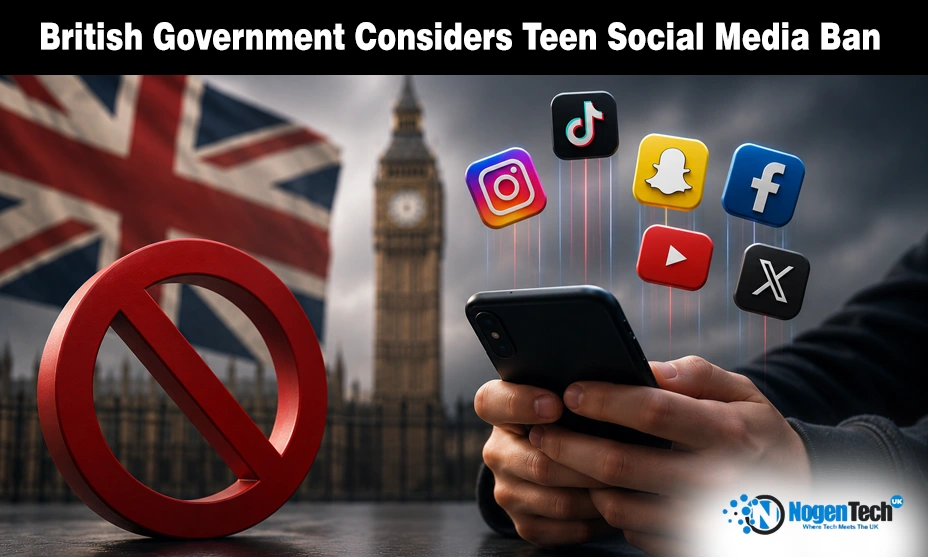
Former UK health secretary Wes Streeting has suggested that social media platforms could face a partial ban for under-16s, drawing a direct parallel between the addictive nature of algorithms and the harms of tobacco.
Speaking amid growing concerns from senior medical officials about adolescent mental health, Streeting said the government is ready to take radical steps if tech firms refuse to clean up their platforms, echoing Ofcom’s criticism of social media algorithms.
The announcement signals an aggressive shift in Westminster’s approach to tech governance, treating digital safety as a core public health emergency rather than a mere regulatory administrative issue.
Public Health Analogy Challenges Big Tech Algorithms
The push for stricter statutory controls follows a coordinated intervention by leading healthcare professionals.
According to The Guardian, Streeting highlighted that the business models of modern digital applications are fundamentally designed around addictive design loops that exploit young users.
By comparing this to smoking bans, the Department of Health and Social Care is framing algorithm-driven content as a risk to both physical and mental health.
The Health Secretary emphasized that if voluntary compliance fails, the government will not hesitate to enforce a targeted ban on algorithmic feeds for users under the age of 16 to mitigate widespread developmental harm.
Medical Authorities Detail Serious Under-Age Psychological Risks
Supporting the government’s tougher stance, leading clinical psychologists and public health officials have intensified their criticism of Silicon Valley platforms.
As reported by the BBC, British medical authorities have presented evidence linking unmonitored screen time to severe anxiety, sleep deprivation, and body dysmorphia among young people.
Doctors warn that today’s content delivery systems can create digital fatigue, trapping developing brains in endless feedback loops.
Medical professionals argue that the current safety tools offered by tech firms are not enough, leaving families to deal with complex corporate ecosystems without proper legal safeguards.
Online Safety Architecture Faces Sweeping Statutory Revisions
Navigating these emerging regulatory boundaries remains the ultimate challenge for both policymakers and tech enterprises alike.
The escalating debate comes as the UK’s wider regulatory framework is being examined for failing to address systemic algorithmic risks.
Reports from The Independent suggest parliamentary pressure is growing to turn the Online Safety Act enforcement into a more punitive system.
Instead of relying on basic age-verification tools, which tech companies often struggle to implement securely, ministers are considering outright bans on certain features for minors.
As Westminster weighs these limits, it is becoming clear that the era of passive digital consumption may be drawing to a close. And navigating these new regulatory boundaries remains a major challenge for both policymakers and tech companies alike.
Source: ‘Like tobacco’: Wes Streeting calls for partial social media ban for under-16s
