


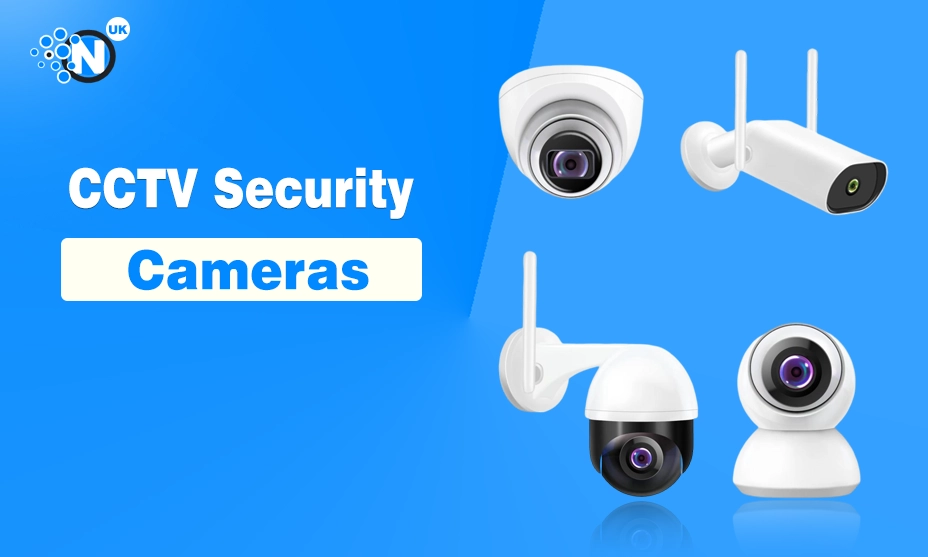
CCTV security cameras are no longer just for shops or large businesses. Today, they are one of the simplest and most effective ways to protect your home or workplace, discourage unwanted visitors and keep a reliable record of activity around your property.
Modern CCTV security cameras offer much more than basic recording, including smart alerts, night vision and remote access from your phone.
In this complete guide to CCTV security cameras, you will learn how different systems work, which features genuinely make a difference, how much CCTV systems typically cost in the UK and which brands people trust and recommend the most.
By the end, you will have a clear understanding of how to choose the right CCTV security camera system without wasting money on unnecessary extras.
What are CCTV security cameras?
CCTV (closed-circuit television) security cameras capture video (and sometimes audio) in specific areas and store it for viewing later, while also letting you watch live footage.
Today’s CCTV security cameras often include smart features such as motion alerts, mobile viewing and person detection — making them useful for everyday safety, not just crime investigations.
| Key term | Simple meaning |
| CCTV | Camera system that records and monitors an area |
| DVR/NVR | Recorder that stores your footage |
| IP camera | Camera that sends video via network/internet |
| Motion alerts | Notification when movement is detected |
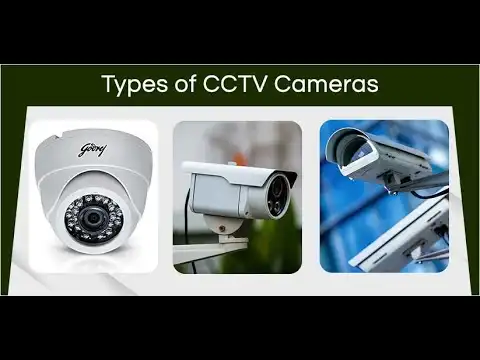
Types of CCTV security camera
Choosing the right CCTV security camera system depends on the size of your property, how permanent you want the setup to be and whether you prefer professional-style reliability or easy DIY installation.
Below are the most common CCTV security camera types used in the UK, along with their advantages and limitations.
| System type | Best for | Big advantage | Main downside |
| Wired CCTV (DVR) | Shops, offices, larger homes | Stable and reliable | More cabling work |
| IP CCTV (NVR) | Modern homes & businesses | Higher quality, smarter features | More setup complexity |
| Wireless CCTV | Flats, rentals, quick installs | Easy installation | Depends on Wi-Fi strength |
| PoE cameras | Pro-style home/business | One cable for power + data | Needs PoE switch/NVR |
Wired CCTV (DVR Systems)
Wired CCTV systems use analogue cameras connected to a digital video recorder (DVR). These systems are widely used in shops, offices and larger homes where stable, continuous recording is required.
Pros
- Very reliable and stable connection
- Works without internet access
- Suitable for 24/7 recording
Cons
- Requires more cabling and drilling
- Installation is time-consuming
- Less flexible if you want to move cameras later
| Best for | Big advantage | Main downside |
| Shops, offices, large homes | Stable and reliable | More cabling work |

IP CCTV (NVR Systems)
IP CCTV cameras send digital video over a network to a network video recorder (NVR). These systems offer higher image quality and smarter features than traditional wired CCTV.
Pros
- Higher video quality (often 2K or 4K)
- Advanced features like smart detection
- Better scalability for future expansion
Cons
- More complex setup
- Requires network knowledge
- Usually higher cost than DVR systems
| Best for | Big advantage | Main downside |
| Modern homes and businesses | Smarter, high-quality footage | More setup complexity |
Wireless CCTV Systems
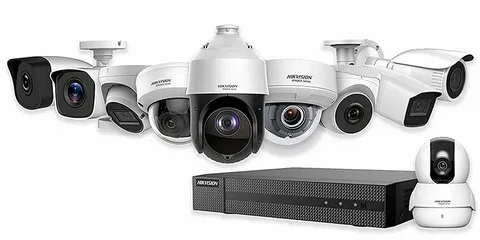
Wireless CCTV cameras connect via Wi-Fi, making them popular for flats, rental properties and quick installations where drilling is limited.
Pros
- Easy and fast to install
- Minimal wiring required
- Ideal for DIY users
Cons
- Depends on Wi-Fi signal strength
- Can suffer from connection dropouts
- Not ideal for large properties
| Best for | Big advantage | Main downside |
| Flats, rentals, quick installs | Easy installation | Depends on Wi-Fi strength |
PoE (Power over Ethernet) CCTV Cameras
PoE cameras use a single Ethernet cable for both power and data, offering a neat and professional installation with strong performance.
Pros
- One cable for power and data
- Stable and secure connection
- Professional-level performance
Cons
- Requires PoE switch or compatible NVR
- Higher upfront cost
- Less beginner-friendly
| Best for | Big advantage | Main downside |
| Pro-style home or business | Clean, reliable setup | Needs PoE equipment |
Indoor vs outdoor CCTV security cameras
Indoor and outdoor cameras are built for different jobs. Outdoor units need weather resistance and stronger night performance, while indoor cameras focus on discreet coverage and flexible placement.
| Feature | Indoor camera | Outdoor camera |
| Weatherproofing | Not needed | Essential (IP rating) |
| Night vision | Usually good | Often stronger + spotlight options |
| Mounting | Shelf/wall | Fixed, secure mounts |
| Typical locations | Hallway, lounge | Driveway, garden, entrances |
The must-have features to look for
Most people get better results by prioritising a few core features rather than buying the camera with the longest spec list.
Storage options: local vs cloud (and what’s best in the UK)
Storage is where many people regret their purchase later. Local recording avoids monthly fees, cloud offers off-site backup if someone steals the camera or recorder. Many households choose a hybrid approach.
| Storage type | Pros | Cons | Best for |
| MicroSD/local | No subscription, simple | Can be stolen/damaged | Single-camera setups |
| NVR/DVR hard drive | Long recording time | Recorder must be secured | Multi-camera CCTV |
| Cloud storage | Off-site backup, easy clips | Monthly cost | Busy homes, frequent alerts |
| Hybrid | Best of both | Higher total cost | “Serious” home/business security |
How much do CCTV security cameras cost in the UK?
Costs depend on how many cameras you need, whether you want 24/7 recording and whether you hire an installer. A realistic approach is to budget for the system and the small extras (cables, mounts, storage and possibly subscriptions).
| Item | Typical UK cost range |
| Single indoor camera | £40–£120 |
| Single outdoor camera | £80–£250 |
| 4–8 camera CCTV kit | £300–£1,500 |
| Professional installation | £150–£500 |
| Cloud subscription | £5–£20/month |
Home vs business CCTV: what changes?
Homes often focus on simple DIY smart cameras (doorbell + outdoor cameras), while businesses usually need continuous recording, wider coverage and clearer signage.
| Requirement | Home CCTV | Business CCTV |
| Coverage | Entrances, driveway, back garden | Entrances, tills, stock areas, car parks |
| Recording | Often event-based | Often 24/7 continuous |
| Access | Phone app | App + office monitor |
| Compliance | Privacy-aware placement | Stronger compliance needs (signage, policy) |
Where to place CCTV security cameras for best protection
Placement matters more than people realise. A “top-spec” camera pointed at the wrong angle is basically an expensive ornament.
| Area | Why it’s important | Quick placement tip |
| Front door | Most common approach point | Aim at faces, not just the door frame |
| Driveway | Vehicles and deliveries | Mount at 2.5–3m to reduce tampering |
| Back door/garden access | Lower visibility area | Use motion + night vision |
| Side passage | Common unseen route | Use wide-angle coverage |
CCTV security camera installation: DIY or professional?
DIY is brilliant for small systems (especially wireless), but professional installation is worth it if you need neat cable runs, multiple cameras, or a business-ready setup.
| Option | Pros | Cons | Best for |
| DIY install | Cheaper, quick | Can miss optimal angles | Flats, small homes |
| Professional install | Best coverage, tidy wiring | Higher cost | Businesses, large homes |
UK privacy and legal basics (simple and practical)
In the UK, you can use CCTV security cameras to protect your property, but you should avoid filming areas you don’t need (especially public spaces or neighbours’ private areas). For businesses, clear signage and a simple privacy policy are commonly expected good practice.
| Practical rule | What to do |
| Keep coverage necessary | Aim at your boundary/entry points |
| Limit neighbour/public capture | Use privacy masking if available |
| Secure footage | Strong passwords + updated firmware |
| Business use | Use clear CCTV signs and retention rules |
Which company is best for CCTV security cameras in the UK?
If you mean most trusted / most recommended by everyday users, the UK market typically splits into two groups:
- Mainstream smart-home brands (easy app, popular, DIY)
- Traditional CCTV brands (strong for multi-camera recording setups)
Independent testing and round-ups frequently include brands such as Ring, Eufy, Swann and Nest/Google as common, reliable options for home users. For example, Which? testing content references cameras from Ring, Eufy and Swann when evaluating outdoor security cameras.
| Brand | Why people recommend it | Best for |
| Ring | Very popular, strong app ecosystem, easy DIY | Doorbell + home camera setup |
| Eufy | Good quality, often strong local storage focus | People avoiding subscriptions |
| Google Nest | Excellent smart integration, strong image quality | Google Home households |
| Swann | Recognised for CCTV-style kits and recording | Multi-camera home setups |
| Hikvision | Huge CCTV range (often commercial) but mixed public-sector sensitivity discussion | Larger installs (check use-case) |
Most “widely recognised” choice in the UK for typical home users: Ring (especially for doorbells and easy DIY setups), while Eufy is often chosen by people who strongly prefer local storage and fewer monthly fees. (If you want, tell me your budget + property type and I’ll recommend one clear “best fit”.)
Frequently asked questions
CCTV security cameras are used to monitor, record and protect homes and businesses. They help deter crime, provide evidence when incidents occur and allow remote monitoring through mobile apps.
Yes, many CCTV systems can record footage locally without an internet connection. However, internet access is required for remote viewing, mobile alerts and cloud storage.
Most UK homes are well covered with two to four CCTV cameras. Common areas include the front door, driveway, back garden and any side entrances.
Yes, CCTV is legal in the UK as long as it is used responsibly. Cameras should mainly cover your own property and avoid unnecessary recording of public spaces or neighbouring homes.
CCTV refers to a closed recording system, usually with a DVR or NVR, while security cameras may include smart, internet-based features such as mobile alerts and cloud storage. Both serve the same purpose of monitoring and protection.
In the UK, Ring is widely recommended for home users due to its ease of use and strong app support. Eufy is also popular for offering local storage without mandatory subscription fees, while Swann is trusted for traditional CCTV camera kits.
Recording time depends on storage capacity, video quality and recording mode. Some systems store footage for a few days, while others can keep recordings for several weeks or even months.
Bottom line
CCTV security cameras are one of the best-value upgrades you can make for real, everyday protection — especially when you choose the right system type, prioritise clear video + night vision + reliable storage and place cameras where they actually matter.
For most UK homes, Ring is the most commonly recommended “easy and trusted” option, while Eufy is a strong pick if you want local recording with fewer ongoing fees; for larger, multi-camera setups, consider CCTV-style kit brands like Swann.
If you tell me home or business, number of cameras and whether you prefer local or cloud storage, I’ll suggest one clean setup (no confusion, no extra fluff).
